
Do You Need a Pre Listing Home Inspection in El Paso? A Complete Seller's Guide for 2026
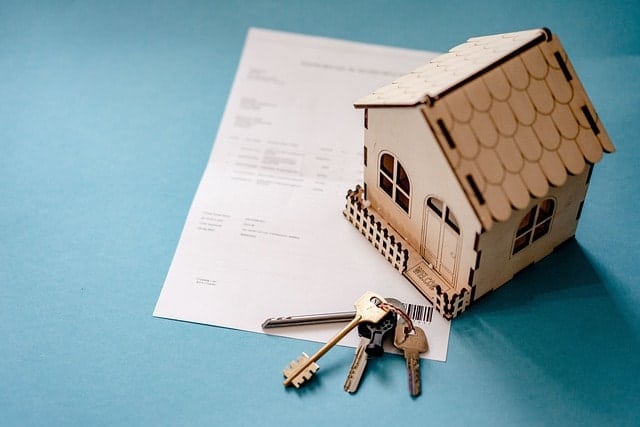
If you're thinking about selling your home in El Paso, you may be wondering:
Should I get a home inspection before I list my property?
A home inspection is usually something buyers think about after making an offer. But sellers can also choose to have their home inspected before putting it on the market.
This is called a pre-listing inspection, and it can give homeowners valuable information before negotiations begin.
A pre-listing inspection is not required to sell a home in Texas. However, it can be a strategic step for sellers who want to understand the condition of their property, address potential problems early, and reduce surprises during the transaction.
A typical pre-listing inspection may cost approximately $325 to $550 for a standard single-family home in El Paso, depending on the size and features of the property. Larger homes or properties with pools, guest houses, detached garages, or other structures may cost more.
So, is a pre-listing inspection worth the investment?
For many sellers, it can be.
But it is important to understand what it does, what it doesn't do, and how to use the information strategically.
What Is a Pre-Listing Inspection?
A pre-listing inspection is a home inspection that the seller orders before putting the property on the market.
Instead of waiting for a buyer to hire an inspector after making an offer, you get the opportunity to learn about the home's condition ahead of time.
A typical inspection may evaluate major components and systems, including:
- Foundation
- Roof
- HVAC system
- Plumbing
- Electrical systems
- Windows
- Doors
- Exterior surfaces
- Attic areas
- Visible structural components
- Water heaters
- Major appliances, when applicable
The inspection usually results in a written report identifying visible conditions and potential concerns.
The biggest advantage is simple:
You get the information first.
However, a pre-listing inspection does not guarantee that a future buyer will have no concerns.
It also does not replace the buyer's right to conduct their own independent inspection. Most buyers will still choose to have their own inspection completed as part of their due diligence.
Why Would a Seller Want an Inspection?
At first, paying for an inspection before you even have a buyer may seem unnecessary.
After all, why spend money looking for problems that a buyer may never notice?
The answer is control.
When you know what could come up before listing, you have more time to decide what to do about it.
You can determine which repairs are worth making, obtain estimates from contractors, prepare documentation, and build those considerations into your pricing strategy.
Without that information, you may find yourself responding to unexpected repair requests after you're already under contract.
That can put you under pressure.
Benefit #1: You Can Fix Problems on Your Own Timeline
Imagine a buyer makes an offer on your home.
Everything looks good.
Then their inspector discovers:
- An aging water heater
- A roof concern
- A cracked section of stucco
- An HVAC system that needs servicing
- A plumbing issue
- An electrical concern
Now the buyer may request repairs, ask for a credit, or negotiate the purchase price.
And you're working within the deadlines of an active contract.
A pre listing inspection gives you the opportunity to discover these issues before that happens.
You can:
- Get multiple repair estimates
- Compare contractors
- Decide which repairs are worthwhile
- Complete repairs before listing
- Keep receipts and documentation
- Decide whether to sell the property as is
- Adjust your pricing strategy if necessary
The difference is that you are making the decision before you're under contract, rather than negotiating under pressure.
Benefit #2: It Can Reduce Surprises During the Transaction
One of the biggest concerns for sellers is getting under contract and then having the buyer discover an unexpected problem.
Inspection findings can lead to negotiations.
In some situations, buyers may request:
- Repairs
- Seller credits
- Price reductions
- Replacement of damaged components
- Additional inspections
- Other concessions
Some inspection issues may even cause a buyer to reconsider the purchase.
A pre-listing inspection cannot eliminate every possible problem, but it can reduce the number of surprises.
If you already know about a problem, you can decide how you want to handle it before a buyer is involved.
Benefit #3: It Can Strengthen Your Pricing Strategy
Pricing a home correctly requires more than looking at recent sales.
The condition of the property matters too.
Two homes in the same neighborhood may have similar square footage and bedroom counts but very different values because one has:
- A newer HVAC system
- A newer roof
- Updated plumbing
- Updated electrical
- Recently renovated bathrooms
- A remodeled kitchen
While the other needs significant repairs.
Knowing your home's condition can help you and your real estate professional develop a more realistic pricing strategy.
If you have recently completed major repairs, documentation such as invoices and receipts can also help demonstrate that the property has been maintained.
Benefit #4: It Can Make Negotiations Easier
Imagine you're negotiating with a buyer, and they discover a problem during their inspection.
You already knew about it.
You already had it repaired.
You have the contractor's invoice.
You have the receipt.
You have documentation showing what was completed.
That can create a much stronger position than discovering the same problem for the first time after the buyer brings it to your attention.
Transparency can also help build buyer confidence.
A buyer may feel more comfortable when they see that the seller has been proactive about maintaining the property.
Benefit #5: It May Help Keep the Transaction Moving
Inspection negotiations can add time to a transaction.
If a buyer discovers several problems, the parties may need to discuss:
- Which repairs will be completed
- Who will pay for them
- Whether credits will be offered
- Whether additional contractors need to be consulted
- Whether the buyer wants additional inspections
The more complicated the situation becomes, the more opportunities there are for delays.
Addressing significant issues before listing can help make the transaction more predictable.
It doesn't guarantee a faster closing, but it can remove some potential obstacles before you have a buyer.
El Paso Homes Have Some Unique Inspection Considerations
Every home is different, but El Paso's climate, construction styles, and older housing stock mean there are certain areas sellers should pay particular attention to.
HVAC and Cooling Systems
Air conditioning is one of the most important systems in an El Paso home.
Summer temperatures can regularly exceed 100 degrees, making a properly functioning cooling system extremely important to buyers.
During an inspection, buyers may pay close attention to:
- HVAC age
- System operation
- Maintenance history
- Cooling performance
- Visible damage
- Unusual sounds
- Potential safety concerns
If your HVAC system is older, knowing its condition before listing can help you prepare for questions and potential negotiations.
Evaporative Coolers
Some older El Paso homes use evaporative coolers instead of refrigerated air.
These systems are common in the region, but their condition and efficiency can vary.
Some buyers may specifically prefer refrigerated air.
If your home has an evaporative cooler, make sure you understand:
- Its age
- Its current condition
- Maintenance history
- Whether it operates properly
- Whether the home also has another cooling system
Being prepared to answer these questions can make the selling process smoother.
Stucco and Exterior Walls
Stucco is common throughout El Paso.
The area's intense sun, heat, and occasional heavy rain can contribute to exterior wear.
Before listing, look for:
- Cracks
- Chips
- Discoloration
- Damaged sections
- Signs of moisture intrusion
- Areas where repairs have previously been made
Not every crack means there is a major structural problem.
However, if you notice something concerning, having it evaluated before listing can help you understand what you're dealing with.
Roof Condition
El Paso's strong sun exposure can contribute to roof aging.
Seasonal storms, wind, and hail can also create additional wear.
An inspection may identify:
- Damaged roofing materials
- Missing materials
- Water intrusion
- Deterioration
- Areas requiring maintenance
- Signs of previous repairs
A roof issue discovered by a buyer after going under contract can become a major negotiation point.
Knowing about it ahead of time gives you more options.
Plumbing and Hard Water
El Paso's hard water can contribute to mineral buildup in plumbing fixtures and systems.
Older homes may also have outdated plumbing materials.
An inspection can help identify visible issues such as:
- Leaks
- Corrosion
- Slow drainage
- Low water pressure
- Visible pipe deterioration
Addressing smaller plumbing problems before listing may prevent them from becoming larger concerns during negotiations.
Foundation and Soil Conditions
Foundation concerns can be especially important in desert climates where soil conditions can contribute to movement.
Certain areas around El Paso contain caliche and expansive clay soils, which can affect structures over time.
This does not mean every crack or uneven surface indicates a foundation problem.
However, if you have noticed:
- Significant cracks
- Uneven floors
- Doors that suddenly stick
- Windows that no longer close properly
- Gaps around doors or windows
it may be worth having the issue evaluated before putting the home on the market.
What Happens During a Pre-Listing Inspection?
The exact process depends on the inspector and the property, but generally, the inspector will evaluate the home's accessible components and systems.
You should expect the inspection to involve areas such as:
Exterior
The inspector may examine:
- Roof surfaces
- Exterior walls
- Stucco
- Doors
- Windows
- Drainage
- Grading
- Visible foundation components
Interior
The inspection may include:
- Walls
- Ceilings
- Floors
- Doors
- Windows
- Stairs
- Electrical fixtures
- Plumbing fixtures
Major Systems
The inspector may evaluate visible and accessible components of:
- HVAC
- Electrical
- Plumbing
- Water heater
- Foundation
- Attic
- Roof
The inspector then provides a report documenting their findings.
Remember that a home inspection is generally a visual evaluation of accessible areas. It is not the same as a destructive investigation or a guarantee that every hidden defect will be discovered.
Should You Repair Everything the Inspector Finds?
No.
This is an important distinction.
A home inspection report can contain a long list of observations and recommendations.
That doesn't mean you need to fix every single item.
Some findings may be:
- Cosmetic
- Minor maintenance items
- Normal wear and tear
- Older but functioning components
- Items that do not materially affect the home's value
The key is prioritization.
What Repairs Should You Prioritize?
As a seller, focus first on issues that could affect:
Safety
Examples may include:
- Electrical hazards
- Gas concerns
- Structural concerns
- Significant trip hazards
Major Systems
Pay attention to systems approaching the end of their useful life, such as:
- HVAC
- Water heater
- Roof
- Major plumbing systems
Active Problems
Issues such as:
- Water leaks
- Moisture intrusion
- Significant roof leaks
- Plumbing leaks
can become much more serious if ignored.
Visible Condition Problems
Issues that buyers can immediately see may also affect their perception of the property.
Examples include:
- Significant stucco damage
- Damaged flooring
- Broken fixtures
- Poorly maintained exterior areas
The goal is not to create a perfect house.
The goal is to eliminate the problems most likely to affect the sale.
What Repairs Can You Probably Skip?
Cosmetic issues that do not materially affect the property's condition may not be worth spending significant money on.
For example, you may not need to:
- Replace perfectly functional cabinets
- Completely remodel a bathroom
- Replace all flooring
- Install luxury fixtures
- Upgrade every light fixture
- Make expensive aesthetic changes
Before spending money, ask:
Will this improvement make the home more competitive, reduce buyer concerns, or increase the likely sale price enough to justify the cost?
If the answer is no, you may be better off leaving it alone.
Do You Have to Give the Inspection Report to the Buyer?
This is where sellers need to be especially careful.
In Texas, sellers have disclosure obligations regarding known material defects.
If you order a pre-listing inspection and the report identifies material problems, you cannot simply pretend you never saw them.
Once you know about a material defect, that knowledge can affect your disclosure obligations.
The safer strategy is to understand the findings, discuss them with the appropriate professionals, make necessary repairs when appropriate, and properly disclose known material defects.
Because disclosure requirements can be fact-specific, sellers should consult a qualified Texas real estate professional or attorney when they have questions about what must be disclosed.
Does a Pre-Listing Inspection Replace the Buyer's Inspection?
No.
Even if you provide your inspection report to a buyer, the buyer will generally still want the opportunity to hire their own inspector.
That is normal.
The buyer's inspection is part of their due diligence.
Think of your inspection as a way to prepare yourself, not as a substitute for the buyer's inspection.
You are essentially getting a preview of the types of issues a buyer may discover later.
When Might You Skip a Pre-Listing Inspection?
A pre-listing inspection can be valuable, but it isn't equally important for every property.
It may be less critical when:
- The home is relatively new
- The property is still covered by a builder's warranty
- You have detailed documentation of recent repairs
- Major systems have recently been replaced
- The property is being sold in a distressed condition
- The home is intentionally priced to reflect its as-is condition
For example, if you're selling a recently built home that is still under warranty, you may already have extensive documentation regarding the property's construction and systems.
On the other hand, an older home with multiple systems nearing the end of their useful life may benefit significantly from knowing its condition before listing.
How Much Does a Pre-Listing Inspection Cost in El Paso?
A standard single-family home inspection in El Paso may cost approximately $325 to $550, depending on the property. Larger homes and properties with additional structures or features may cost more.
Additional inspections may also be available depending on the property and concerns involved.
These can include specialized evaluations such as:
- Sewer scopes
- Mold inspections
- Radon testing
- Pool inspections
- Termite inspections
- Other specialist evaluations
Not every property requires all of these services.
The appropriate inspections depend on the home's age, condition, features, and circumstances.
Is a Pre-Listing Inspection Worth the Money?
For many sellers, the answer is yes.
Think about the potential cost of a surprise after you're under contract.
A $400 or $500 inspection may reveal an issue that could otherwise become a much larger negotiation.
The value isn't necessarily in the inspection report itself.
The value is in knowing what you're dealing with before you have a buyer.
That knowledge can help you make better decisions.
A Simple Example
Imagine you're selling your El Paso home for $300,000.
You order a pre-listing inspection and discover:
- The HVAC needs servicing
- A section of stucco needs repair
- The water heater is nearing the end of its expected life
- There is a minor plumbing leak
You obtain estimates and decide to spend $1,500 addressing the most important items.
You keep the receipts.
You list the property.
A buyer later conducts their own inspection and sees that the major concerns have already been addressed.
Compare that to discovering those same issues after receiving an offer.
The buyer could potentially request repairs, credits, or a price reduction.
The difference isn't just the money.
It's control over the process.
How to Use Your Inspection Strategically
If you decide to get a pre-listing inspection, don't simply put the report in a drawer.
Use the information.
Step 1: Review the Report
Understand what the inspector identified.
Step 2: Separate Major Issues From Minor Items
Not every recommendation requires immediate action.
Step 3: Get Repair Estimates
For significant repairs, consider obtaining estimates from qualified professionals.
Step 4: Prioritize
Determine which repairs are most likely to affect:
- Safety
- Buyer confidence
- Financing
- Negotiations
- Sale price
Step 5: Keep Your Documentation
Save:
- Receipts
- Invoices
- Warranties
- Contractor information
- Maintenance records
Step 6: Discuss Disclosure Requirements
Make sure you understand what needs to be disclosed based on the issues you discovered.
Step 7: Adjust Your Pricing Strategy if Necessary
If the property has significant issues that you choose not to repair, make sure your pricing reflects the home's condition and current competition.
When Should You Get a Pre-Listing Inspection?
Timing matters.
A good window is often four to eight weeks before your target listing date, giving you time to review the report, prioritize repairs, obtain estimates, complete work, and prepare the property for market.
Getting the inspection too close to your listing date may leave you scrambling to make decisions.
Starting earlier gives you options.
Pre-Listing Inspection Checklist for El Paso Sellers
Before listing your home, consider reviewing the following:
Major Systems
- HVAC
- Water heater
- Electrical
- Plumbing
- Roof
- Foundation
Exterior
- Stucco
- Windows
- Doors
- Drainage
- Landscaping
- Driveway
Interior
- Ceilings
- Walls
- Floors
- Bathrooms
- Kitchen
- Appliances
Documentation
- Repair receipts
- HVAC maintenance records
- Roof records
- Warranty information
- Renovation permits
- Contractor invoices
Having these documents organized can make the selling process easier and help answer buyer questions.
Frequently Asked Questions
Is a pre-listing inspection required in Texas?
No. A seller is not required to order a pre-listing inspection simply to put a home on the market. It is an optional strategy that can help sellers understand their property's condition before listing.
Will the buyer still get an inspection?
Usually, yes. A buyer can generally choose to conduct their own inspection as part of their due diligence, even if the seller has already completed an inspection.
How much does a pre-listing inspection cost?
A standard inspection for a single-family home in El Paso may cost approximately $325 to $550, although larger or more complex properties may cost more.
Should I fix everything the inspector finds?
No. Prioritize safety concerns, significant system problems, active leaks, structural concerns, and visible issues that could affect buyer confidence. Cosmetic items may not justify the expense.
Can a pre-listing inspection help me negotiate?
It can. Knowing the home's condition ahead of time and documenting completed repairs can give you more information and potentially reduce the number of surprises during buyer negotiations.
Do I have to disclose problems found during the inspection?
Texas sellers have obligations regarding known material defects. If an inspection reveals a material defect that you now know about, you should not assume that you can simply keep that information to yourself. Discuss disclosure requirements with a qualified Texas real estate professional or attorney.
A pre-listing inspection isn't required to sell a home in El Paso.
But for many homeowners, it can be a smart investment.
The biggest advantage isn't simply finding problems.
It's finding them before a buyer does.
When you know about potential issues ahead of time, you can decide what to repair, what to leave alone, how to document the work, and how those conditions should influence your pricing strategy.
You can also enter the market with greater confidence because you're not waiting for the buyer's inspection report to tell you something you could have discovered months earlier.
That doesn't mean you need to fix everything.
It doesn't mean your home needs to be perfect.
And it certainly doesn't mean you should spend thousands of dollars on unnecessary renovations.
It means you should understand your property.
If you're considering selling your El Paso home, think about getting a pre-listing inspection before you put the property on the market.
The more you know before the listing goes live, the more prepared you can be when the offers start coming in.
Know the condition. Know your options. Know your numbers. Then make your move with confidence.
Or just reply to this email and let me know your timeline, and we'll take it from there.
🌟 Reminder of the Day
"The goal of a pre-listing inspection isn't to prove that your home is perfect. It's to eliminate surprises before they become negotiations. You cannot control what a buyer's inspector will find. But you can control how prepared you are when those questions come up. Knowing your home's condition before listing gives you time to make informed decisions instead of making rushed decisions under contract."
With you every step,
Alexa Pena, Real Broker
📱 (844)523-1115 | 📧 info@investwithalexa.com
🌐www.investwithalexa.com | 📺 Watch our Youtube Channel
Recent Posts










GET MORE INFORMATION