
What Are the Must-Disclose Items When Selling Your Home in 2026?
Selling a home isn’t just about marketing and negotiating — it also comes with legal responsibilities. One of the most important is property disclosure.
If you’re planning to sell, you might be wondering:
“What exactly do I have to disclose to buyers?”
In 2026, transparency is more important than ever. Disclosing the right information not only protects buyers, but it also protects you from future legal issues.

Here’s what you need to know.
What Is a Property Disclosure?
A property disclosure is a document where the seller shares known issues or defects about the home.
The goal is simple:
- Provide honest information
- Help buyers make informed decisions
- Reduce the risk of disputes after closing
Failing to disclose important details can lead to serious legal consequences.
- Structural Issues
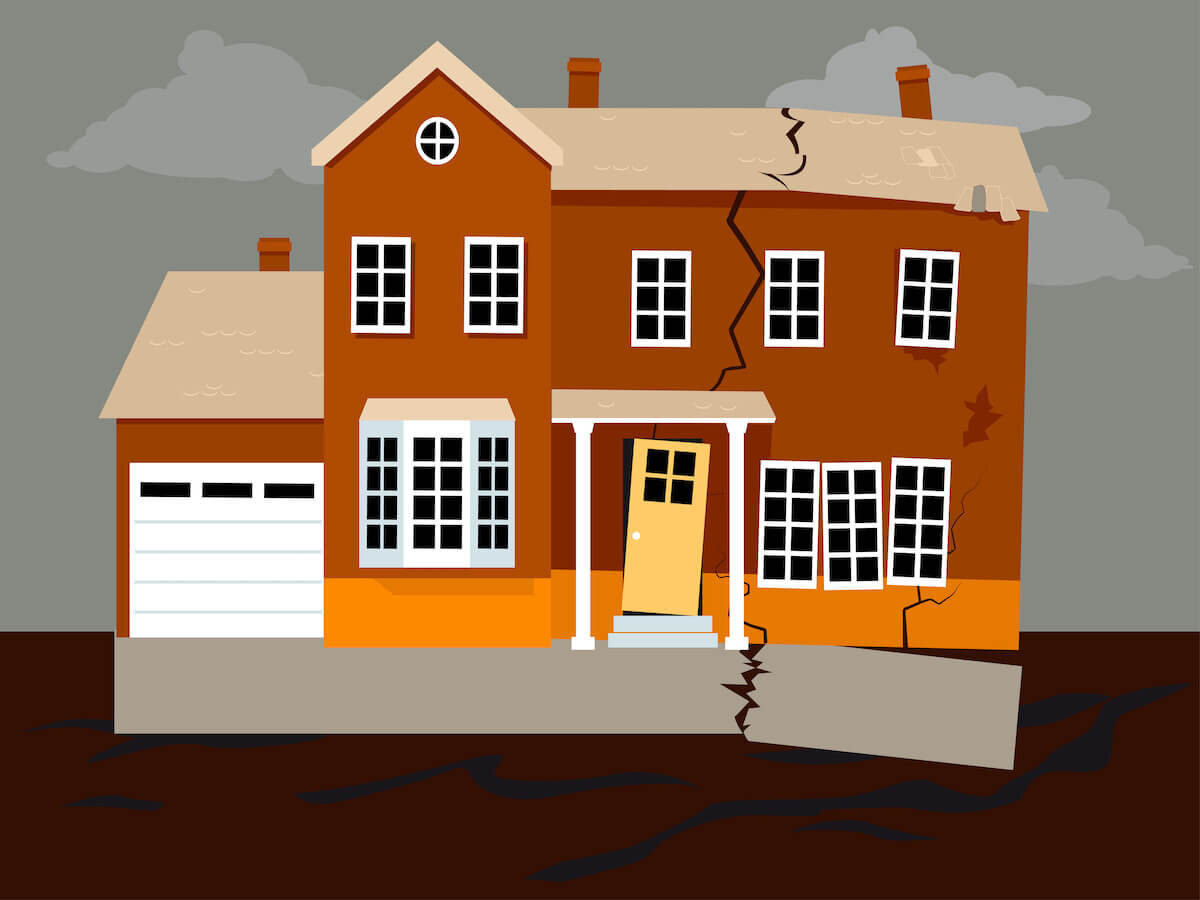
You must disclose any known problems related to the home’s structure.
This includes:
- Foundation cracks or movement
- Roof damage or leaks
- Wall or ceiling issues
Structural concerns are major red flags for buyers — and must be clearly communicated.
- Water Damage or Drainage Problems
Water-related issues are among the most common disclosures.
Examples include:
- Past or present flooding
- Leaks or water intrusion
- Mold or mildew problems
- Poor drainage around the property
Even if repairs were made, these issues should still be disclosed.
- Electrical, Plumbing, or HVAC Problems
If there are known issues with major systems, buyers need to know.
This can include:
- Faulty wiring
- Plumbing leaks or pipe damage
- Heating or cooling system malfunctions
Full transparency helps prevent surprises during inspections.
- Pest or Termite Damage
Past or current pest problems must be disclosed.
This includes:
- Termite damage
- Rodent infestations
- Other pest-related issues
Even if treated, buyers should be aware of the home’s history.
- Legal or Title Issues
Sellers must disclose anything that could affect ownership or use of the property.
Examples:
- Liens on the property
- Boundary disputes
- Easements or restrictions
These issues can impact the buyer’s ability to fully enjoy or use the home.
- Environmental Hazards
Certain environmental risks must be disclosed depending on location.
This may include:
- Lead-based paint (especially in older homes)
- Asbestos
- Radon gas
- Other hazardous materials
These factors can affect both safety and property value.
- Past Repairs and Renovations
If you’ve made significant repairs or upgrades, it’s important to disclose them — especially if they relate to previous issues.
Buyers will want to know:
- What was repaired
- When it was done
- Whether it was professionally completed
What Happens If You Don’t Disclose?
Failing to disclose known issues can lead to:
- Legal disputes after closing
- Financial penalties
- Loss of trust
- Potential lawsuits
Honesty upfront protects you long-term.
Why Working With a Professional Matters
Disclosure requirements can vary depending on your location, so having the right guidance is key.
A real estate professional can help you:
- Understand what must be disclosed
- Complete forms accurately
- Avoid legal risks
- Navigate the process with confidence
Disclosures are a critical part of selling your home in 2026. While it may feel overwhelming, being upfront about your property’s condition creates smoother transactions and reduces risk.
When in doubt, disclose. It’s always better to be transparent today than deal with complications tomorrow.
Or just reply to this email and let me know your timeline—we'll take it from there.
🌟 Reminder of the Day
“Honesty in real estate isn’t just the right thing to do — it’s the smartest way to protect your investment and your reputation.
Transparency builds trust, and trust closes deals.”
With you every step,
Alexa Pena, Real Broker
📱 (844)523-1115 | 📧 info@investwithalexa.com
🌐www.investwithalexa.com | 📺 Watch our Youtube Channel
Recent Posts





GET MORE INFORMATION