
How to Find Out What Your Home Is Worth in 2026
If you’ve been thinking about selling — or just curious about your investment — you’ve probably asked:
“How much is my home actually worth right now?”
In 2026, determining your home’s value isn’t just about checking a number online. It’s about understanding the full picture of your property, your local market, and current buyer demand.
Let’s break down the most accurate ways to find out what your home is worth.
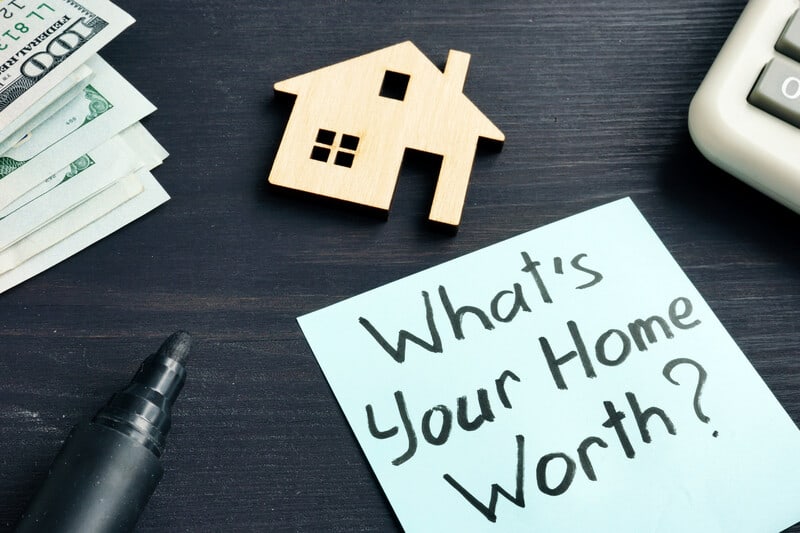
📊 1. Start With Online Estimates (But Don’t Rely on Them Alone)
Online home value tools can give you a quick starting point.
They use automated data based on:
- Recent sales
- Property size
- Location trends
However, these estimates often miss important details like:
- Upgrades or renovations
- Property condition
- Unique features
Think of online estimates as a rough guide — not the final answer.
2. Compare Recent Sales (Comparative Market Analysis)
One of the most reliable ways to determine value is by looking at recently sold homes similar to yours, often called a Comparative Market Analysis (CMA).
This includes:
- Homes in your area
- Similar size, condition, and features
- Recent sale prices
This method reflects what buyers are actually willing to pay — not just what sellers are asking.
3. Consider Current Market Conditions
Your home’s value is influenced by what’s happening in the market right now.
Factors include:
- Inventory levels
- Buyer demand
- Interest rates
- Local economic conditions
A home might be worth more (or less) depending on whether it’s a buyer’s or seller’s market.
🔍 4. Evaluate Your Home’s Condition
Two homes in the same neighborhood can have very different values based on condition.
Things that impact value:
- Renovations and upgrades
- Age of major systems (roof, HVAC, plumbing)
- Curb appeal
- Overall maintenance
A well-maintained home often attracts stronger offers.
5. Get a Professional Home Valuation
The most accurate way to determine your home’s value is by working with a real estate professional.
An experienced agent can:
- Analyze local market data
- Evaluate your home in person
- Provide a strategic price range
- Recommend improvements to increase value
For even more precision, you can also request a licensed appraisal, especially if you’re refinancing or preparing to sell.
6. Understand That Value ≠ List Price
Your home’s value is what buyers are willing to pay — not necessarily what you want to list it for.
Overpricing can:
- Reduce buyer interest
- Increase time on market
- Lead to price reductions
Strategic pricing is key to maximizing your return.
Or just reply to this email and let me know your timeline—we'll take it from there.
In 2026, finding out what your home is worth requires more than a quick search — it takes insight, data, and professional guidance.
Whether you’re planning to sell soon or just exploring your options, understanding your home’s true value is the first step toward making a smart real estate decision.
🌟 Reminder of the Day
Your home’s value isn’t just a number — it’s a strategy.
The more informed you are, the more confident you’ll be in making the right move at the right time.
With you every step,
Alexa Pena, Real Broker
📱 (844)523-1115 | 📧 info@investwithalexa.com
🌐www.investwithalexa.com | 📺 Watch our Youtube Channel
Recent Posts





GET MORE INFORMATION